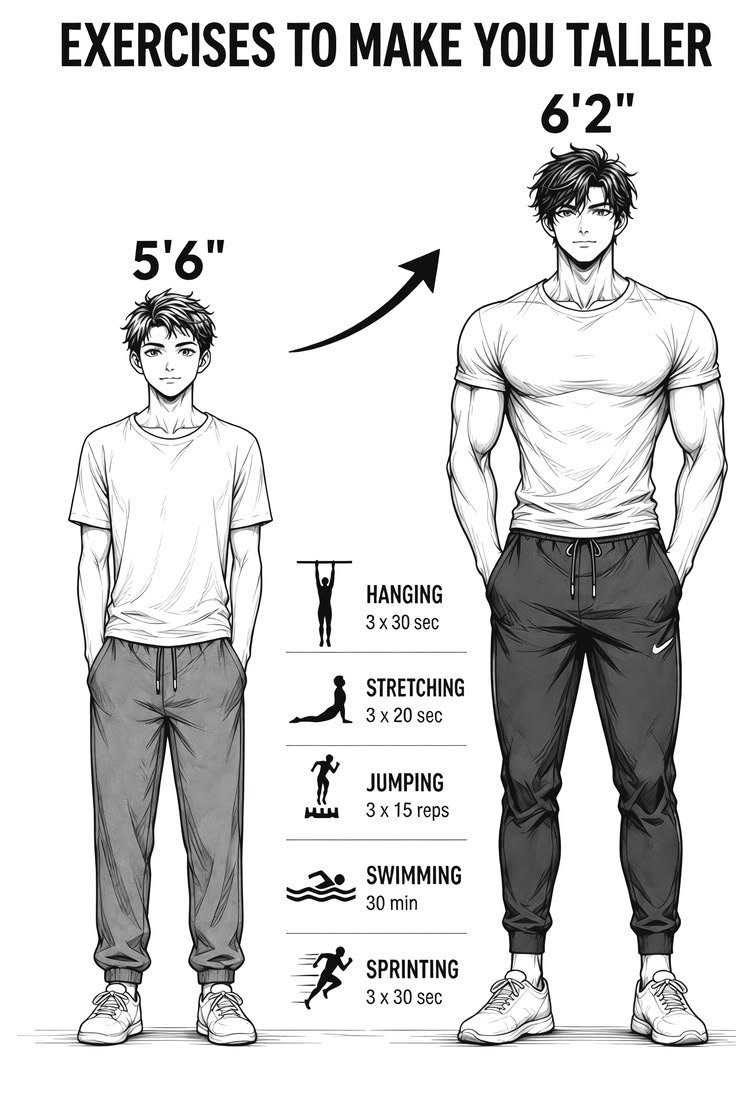
Starting an exercise routine can feel difficult when you are not sure what exercises to do, how often to train, or where to begin. The good news is that you do not need an expensive gym membership or complicated equipment to become more active. A simple home exercise routine can help you develop strength, mobility, coordination, and better overall fitness.
For beginners, the most important thing is to start gradually and build a routine that you can maintain. Exercising too hard at the beginning can make the experience frustrating, while starting with manageable movements allows you to learn proper technique and become more comfortable with regular physical activity.
Start With Simple Exercises
When you are new to exercise, there is no need to begin with advanced movements. Basic exercises are often enough to give you a useful starting point.
Some simple exercises include:
- Bodyweight squats
- Wall push-ups
- Knee push-ups
- Glute bridges
- Standing marches
- Bird dogs
- Planks
- Step-ups using a stable step
- Gentle mobility exercises
These movements use little or no equipment and can be adjusted according to your current ability.
For example, if a traditional push-up feels too difficult, you can begin with wall push-ups. Stand facing a wall, place your hands against it, and slowly bend your elbows to bring your upper body closer to the wall. Then push yourself back to the starting position.
As you become more comfortable, you can gradually move to a more challenging variation.
Create a Comfortable Exercise Space
You do not need a large room to exercise. A small area where you can move safely is usually enough for many beginner exercises.
Before starting, remove objects that could cause you to trip. Make sure the floor is reasonably stable and that you have enough room to move your arms and legs without hitting furniture.
A towel or exercise mat can provide a more comfortable surface for exercises performed on the floor. You can also keep a bottle of water nearby so you do not have to interrupt your workout.
The goal is to make your exercise environment simple and convenient. When everything is ready, it becomes easier to begin your workout instead of spending time preparing.
Begin With a Warm-Up
A warm-up prepares your body for movement and gives you an opportunity to gradually increase your activity level.
A beginner warm-up does not have to be complicated. You can spend several minutes performing gentle movements such as walking around the room, marching in place, moving your arms, or performing controlled bodyweight movements.
You can also include gentle mobility exercises for areas such as the shoulders, hips, and ankles.
Avoid turning the warm-up into a demanding workout. The purpose is to gradually prepare yourself for the exercises that follow.
Learn Proper Exercise Technique
One of the most important things for beginners is learning how to perform exercises with controlled movement.
Consider the squat. Instead of quickly dropping down and standing up repeatedly, focus on maintaining control throughout the movement. Keep your feet in a comfortable position, bend your knees and hips, and move through a range of motion that feels manageable.
The same principle applies to other exercises.
During a push-up, for example, focus on keeping your body controlled rather than trying to complete as many repetitions as possible.
Good technique allows you to understand how an exercise should feel and makes it easier to progress gradually.
Start With Short Workouts
Your first workouts do not need to be long.
A beginner may start with a short session consisting of several simple exercises. The purpose is to become comfortable with regular physical activity rather than trying to complete an extremely demanding workout.
For example, you could perform:
- 8–10 bodyweight squats
- 5–10 wall push-ups
- 8–10 glute bridges
- 10 standing marches on each side
- A short plank hold
You can rest between exercises and repeat the routine if it feels manageable.
The exact number of repetitions is less important than using a level of effort that is appropriate for you.
Give Your Body Time to Adapt
When you begin exercising, your body needs time to adapt to new movements.
It is normal for exercise to feel challenging, especially when you are learning something new. However, you should not feel that you need to push yourself as hard as possible every time you train.
Start with a manageable amount of activity and gradually increase it over time.
For example, you might begin exercising two or three times per week. As the routine becomes easier and more comfortable, you can gradually increase the duration, repetitions, or difficulty of some exercises.
Progress does not have to happen quickly.
Include Different Types of Movement
A balanced home exercise routine can include several different types of movement.
Strength exercises challenge your muscles through movements such as squats, push-ups, bridges, and other bodyweight exercises.
Cardiovascular activities can include walking, marching in place, dancing, or other activities that raise your heart rate.
Mobility exercises involve controlled movements through comfortable ranges of motion.
Flexibility work can also be included as part of your overall routine.
You do not have to include everything in every workout. Instead, you can organize different activities throughout the week.
Pay Attention to How You Feel
Learning to recognize how your body responds to exercise is an important part of becoming more active.
Some movements may feel challenging because your muscles are working. However, sharp, severe, or unusual pain is a reason to stop the movement and seek appropriate professional advice if needed.
Do not feel pressured to copy someone else’s workout exactly. People have different levels of experience, mobility, strength, and fitness.
A routine should be appropriate for your current ability.
Make Exercise a Regular Habit
Consistency is often more useful than trying to complete an extremely difficult workout once and then stopping for several weeks.
Choose days and times that fit naturally into your schedule. Some people prefer exercising in the morning, while others find it easier later in the day.
You can start by setting aside a specific amount of time for movement. Even a short session can help you establish the habit of exercising regularly.
Once exercise becomes part of your normal routine, you can gradually make your workouts more varied and challenging.
Gradually Increase the Difficulty
After several weeks of regular exercise, some beginner movements may start to feel easier.
This is an opportunity to make gradual changes.
You might increase the number of repetitions, add another set, increase the duration of an exercise, or move to a slightly more challenging variation.
For example, someone who begins with wall push-ups may eventually feel comfortable performing incline push-ups against a sturdy surface. Later, they may work toward regular push-ups if that movement is appropriate for them.
The important point is to progress gradually rather than making a large jump in difficulty.
Keep Your Routine Simple
A common mistake among beginners is creating an unnecessarily complicated workout plan.
You do not need dozens of exercises in one session. A simple routine involving several fundamental movements can provide a good starting point.
For example, you could organize a basic workout around:
- A warm-up
- A leg exercise
- A pushing exercise
- A core exercise
- A hip-focused exercise
- Gentle cool-down movements
This approach keeps the workout organized and makes it easier to remember what you need to do.
Use Household Items Carefully
Many beginner exercises require no equipment at all. However, some household items can sometimes be useful for exercise variations.
For example, a sturdy chair can potentially be used for certain supported movements or step exercises, provided it is stable and appropriate for the activity.
You should never use furniture or objects that can easily move, collapse, or break during exercise.
Safety should always come before making an exercise more difficult.
Do Not Compare Your Progress With Others
Everyone starts from a different point.
Someone who has exercised for several years will naturally perform movements differently from someone completing their first workout. Comparing your current ability with another person’s advanced routine can make exercise unnecessarily frustrating.
Instead, focus on your own progress.
You might notice that a movement feels more comfortable, your coordination improves, or you can complete an exercise with better control than before. These changes can be useful signs that you are becoming more familiar with physical activity.
Give Yourself Rest Days
Rest is also part of an exercise routine.
Your body needs time to recover after physical activity, particularly when you are introducing movements that you are not accustomed to.
You do not need to exercise intensely every day. Rest days can allow you to recover while still maintaining an overall active lifestyle through comfortable daily movement.
If you experience persistent pain or have a medical condition that affects your ability to exercise, consider speaking with a qualified healthcare professional before changing your exercise routine.
Stay Patient
Fitness does not develop overnight.
When you begin exercising at home, your first goal should be learning the movements and developing a sustainable routine. Over time, you can gradually increase the amount and difficulty of your activity.
There may be days when you feel energetic and other days when you feel less motivated. Building a routine that is realistic for your schedule can make it easier to continue.
The most useful beginner workout is often one that you can perform safely, consistently, and comfortably enough to keep coming back to.
Starting at home can be a simple way to introduce regular movement into your daily life. With a small amount of space, basic exercises, and a gradual approach, beginners can create a routine that develops over time without requiring complicated equipment or an advanced training background.
Leave a Reply